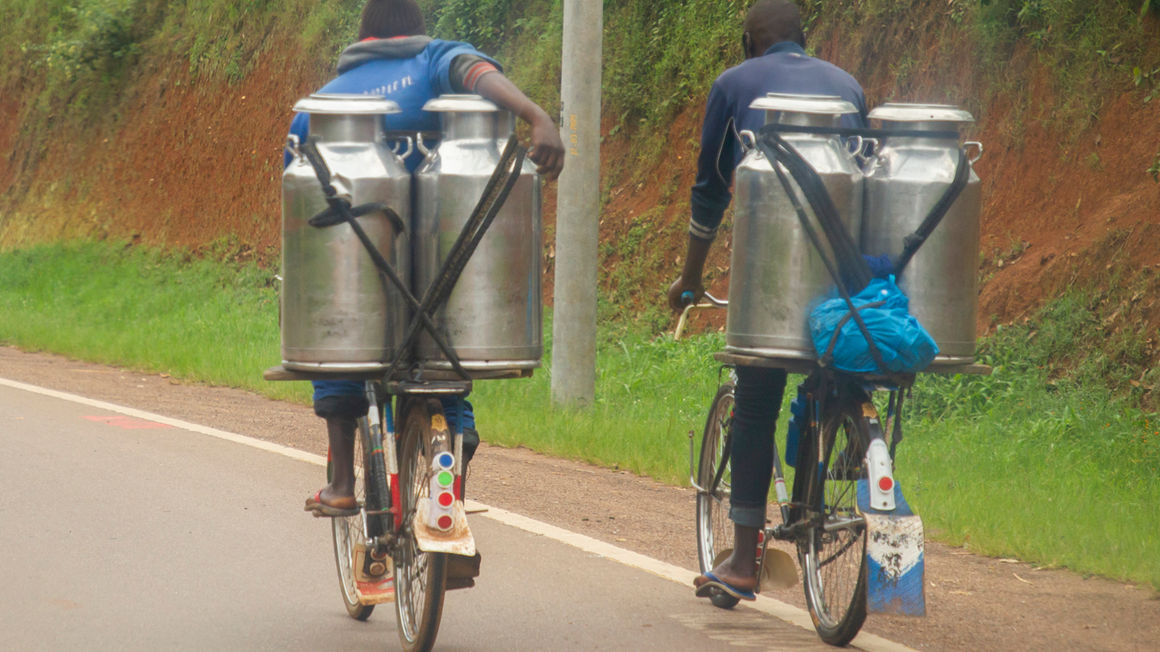
Ensuring safe, high-quality milk begins long before it reaches consumers. At the Rwanda One Health Innovation Network (ROHIN), we promote best practices in milk collection and transport as a critical step in protecting public health, supporting livestock productivity, and strengthening food safety systems.
Proper milk handling—from the farm to the collection center—reduces contamination risks, maintains freshness, and preserves nutritional value. Clean equipment, hygienic milking procedures, cooled storage, and reliable transport systems are essential to preventing spoilage and protecting consumer health. By working closely with farmers, cooperatives, and transporters, we help build skills and awareness that improve milk safety across the entire value chain.
A key part of this effort includes addressing antimicrobial residues, which can appear in milk when animals are treated with antibiotics without observing the recommended withdrawal period. These residues pose risks to human health, contribute to antimicrobial resistance, and limit market opportunities for farmers. ROHIN promotes education, testing, and responsible antibiotic use to ensure milk remains safe, trusted, and compliant with national and international standards.
By supporting best practices and promoting responsible livestock management, we strengthen Rwanda’s dairy sector and contribute to a healthier, safer One Health future for all.